
Table of Contents
As a new parent, you might find yourself watching your baby’s chest rise and fall while they sleep, silently counting breaths and wondering, “Is this normal?” That quick, fluttery rhythm can feel alarming at first—especially in the quiet hours of the night. You’re far from alone in this worry. Many parents search for RR for newborn and RR of newborn because questions about the newborn respiratory rate are among the most common concerns families have in those early weeks.
This guide explains exactly what the normal newborn respiratory rate looks like according to today’s best practices, how to check it yourself, what influences it, and the clear signs that mean it’s time to contact a healthcare professional. Whether your little one is brand new or a few months old, you’ll walk away feeling more confident and prepared. We’ll keep everything simple, practical, and grounded in current guidelines so you can focus on enjoying these precious moments.
The Normal Newborn Respiratory Rate: What Latest Research Shows
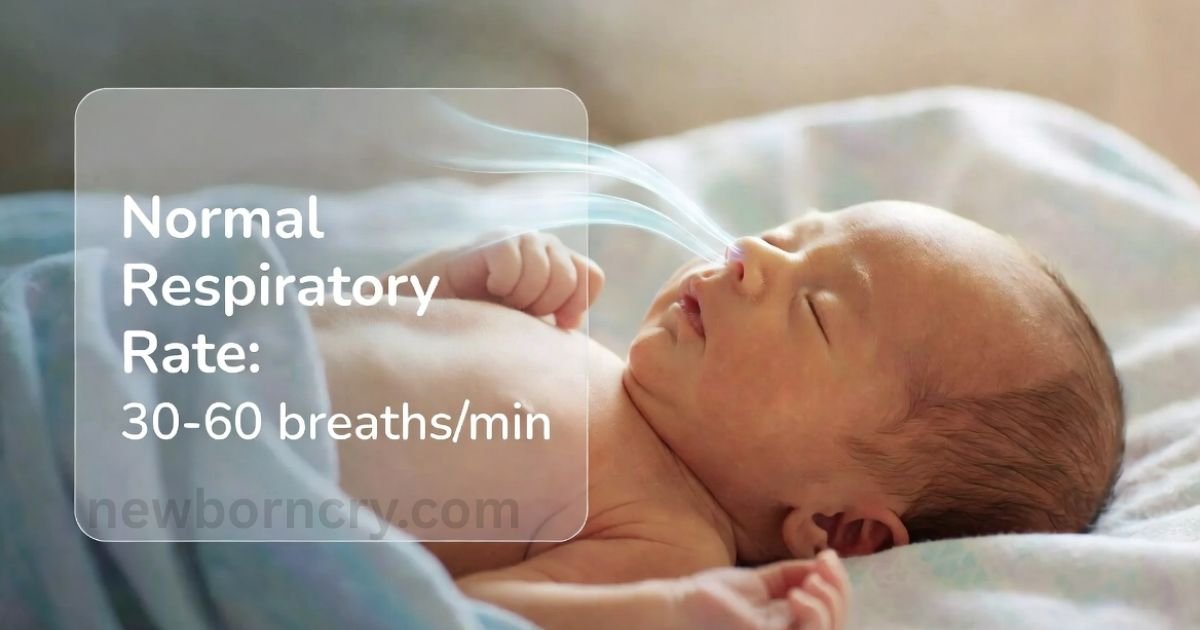
According to modern pediatric standards, a healthy newborn respiratory rate typically ranges from 30 to 60 breaths per minute. This means your baby takes 30 to 60 full inhales and exhales in one minute when calm and at rest. Many babies hover closer to 40–60 breaths per minute while awake or active, then slow to around 30–40 during deep sleep.
A large study of healthy full-term newborns found an average rate of about 46 breaths per minute in the first hours after birth, with most staying comfortably under 60. Slight variations are completely normal because newborns have smaller lungs, higher oxygen needs, and are still adjusting to life outside the womb.
The normal newborn respiratory rate often feels fast compared to adults (who breathe 12–20 times per minute) or even older children. This faster pace is simply how tiny bodies work best in the beginning. As your baby grows, the rate naturally slows—a key part of pediatric respiratory rate development we’ll explore later.
Pro tip: Rates can temporarily rise after crying, feeding, or a warm bath and should settle back down within a few minutes once your baby calms. If the elevated rate lingers while your baby is quiet and content, that’s worth noting.
For a closer look at what to expect during those first precious weeks, see this helpful resource on the newborn stage.
How to Measure Infant Respiratory Rate Accurately at Home

Checking the infant respiratory rate yourself is simple and reassuring. Here’s exactly how:
- Wait until your baby is calm, not crying or actively feeding.
- Place your hand gently on their chest or watch their belly rise and fall.
- Count every full breath (one inhale + one exhale) for a full 60 seconds—don’t just count for 15 seconds and multiply, as breathing can be irregular.
- Do this when your baby is awake and again while sleeping for comparison.
Many parents find it helpful to use the second hand on a clock or a phone timer. If you’re ever unsure, take a short video on your phone to show your doctor—it provides excellent context.
Understanding Periodic Breathing and Normal Variations
Newborns often have periodic breathing, where they take several quick breaths, then pause briefly (usually 5–10 seconds) before resuming. This pattern is normal in the first few months and reflects an immature breathing control center in the brain. As long as the pauses stay short and your baby remains pink, active, and comfortable, there’s no cause for concern.
Other normal variations include:
- Slightly faster breathing right after feeds (coordinating sucking, swallowing, and breathing takes practice)
- Slower, deeper breaths during sleep
- Occasional sighs or little noises
These are all part of healthy infant respiratory rate development. The key is consistency and your baby’s overall well-being.
Factors That Can Influence the Newborn Respiratory Rate
Several everyday things affect how fast your baby breathes:
- Sleep vs. awake state — Rates drop noticeably during deep sleep.
- Temperature — Overheating (too many layers or a warm room) can speed breathing up.
- Illness or teething — Even mild congestion or a low-grade fever may increase the rate temporarily.
- Feeding and digestion — Active sucking or reflux can cause short-term changes.
- Position — Tummy time or certain sleep positions may alter patterns slightly (always follow safe sleep guidelines).
Understanding these helps you interpret the normal newborn respiratory rate in context rather than worrying about every small change.
When to Worry: Clear Signs of Respiratory Distress
While most breathing variations are harmless, certain signs mean you should seek medical care promptly. Contact your baby’s doctor or go to urgent care/ emergency services right away if you notice:
- Breathing consistently faster than 60 breaths per minute while calm and at rest
- Grunting, wheezing, or high-pitched noises with each breath
- Nasal flaring (nostrils widening with every breath)
- Chest retractions (skin pulling in between the ribs, under the breastbone, or at the base of the neck)
- Blue or gray color around the lips, tongue, or nail beds
- Pauses in breathing longer than 15–20 seconds (apnea)
- Extreme lethargy, poor feeding, or difficulty waking
- Flaring nostrils combined with rapid breathing that doesn’t improve
Resources from the Academy of Pediatrics emphasize that early recognition of these signs leads to the best outcomes. Health experts at Mayo Clinic also stress trusting your parental instincts—if something feels off, get it checked. Better safe than sorry.
Newborn Respiratory Rate vs. Infant and Children’s Respiratory Rate by Age
The pediatric respiratory rate changes as children grow. Here’s a quick overview based on current guidelines:
- Newborns & young infants (birth to ~1 year): 30–60 breaths per minute
- Toddlers (1–3 years): 24–40 breaths per minute
- Preschoolers (3–6 years): 22–34 breaths per minute
- School-age children (6–12 years): 18–30 breaths per minute
As you can see, the normal newborn respiratory rate starts higher and gradually decreases. By toddlerhood, children’s respiratory rate has already slowed noticeably. This natural progression reflects growing lung capacity and more efficient breathing.
For more on supporting healthy development through the early months, explore practical advice on establishing good sleep routines that complement strong breathing patterns.
Practical Tips for Supporting Healthy Breathing Every Day
Small daily habits make a big difference:
- Keep the room comfortably cool (around 68–72°F / 20–22°C) and dress your baby in light layers.
- Practice safe sleep: always place your baby on their back in a bare crib or bassinet.
- Avoid exposing your baby to smoke, strong scents, or pollutants.
- Offer frequent feeds to prevent dehydration, which can thicken mucus.
- Use a cool-mist humidifier during dry seasons or colds (clean it daily).
- Give supervised tummy time when awake to strengthen chest and core muscles.
These steps support the normal newborn respiratory rate and help prevent many common issues.
Key Takeaways
- The normal newborn respiratory rate is 30–60 breaths per minute, often faster when awake.
- Measure by counting full breaths for a complete 60 seconds while your baby is calm.
- Periodic breathing and short pauses are normal in the early months.
- Watch for sustained fast breathing (>60), grunting, retractions, color changes, or long pauses—these require prompt medical attention.
- Rates naturally slow as your child grows; pediatric respiratory rate norms change with age.
- Trust your instincts and reach out to professionals whenever you’re concerned—most issues are easily managed when caught early.
Frequently Asked Questions
What is a normal infant respiratory rate during the first year?
The infant respiratory rate generally stays within 30–60 breaths per minute for the entire first year, gradually trending lower as your baby approaches their first birthday. Rates are often highest in the newborn period and slow with growth and lung development.
How does children’s respiratory rate change as kids get older?
Children’s respiratory rate decreases steadily with age. By the toddler years (1–3), it typically drops to 24–40 breaths per minute. This continues to slow through childhood as the body becomes more efficient at oxygen exchange—reaching adult-like rates by the teen years.
What defines a normal newborn respiratory rate according to experts?
Current guidelines define the normal newborn respiratory rate as 30–60 breaths per minute at rest. Slight irregularities and periodic breathing are expected and healthy as long as your baby stays comfortable, pink, and active overall.
When should I be concerned about pediatric respiratory rate in my child?
Be concerned if the rate stays above 60 (or below 30) while calm, or if you see any distress signs like grunting, retractions, flaring nostrils, or color changes. For any doubt, contact your healthcare provider immediately—early action is always best.
You’ve got this. Most babies breathe just the way they’re supposed to, and with a little knowledge, you’ll feel far more at ease. Keep enjoying those sweet snuggles, and never hesitate to reach out to your care team with questions—they’re there to support you every step of the way.
Disclaimer
By SA, Founder — NewbornCry.com
The information provided on NewbornCry.com is for educational and informational purposes only. While I am a trained pharmacist and chemist by trade, the content on this site is not a substitute for professional medical advice, diagnosis, or treatment. Every baby is unique, and respiratory patterns can vary based on individual health needs.
Always seek the advice of your pediatrician or other qualified health providers with any questions you may have regarding a medical condition. Never disregard professional medical advice or delay in seeking it because of something you have read on this website. In the event of a medical emergency, contact your local emergency services immediately.
1 thought on “RR of Newborn: Normal Respiratory Rate Guide for Parents”