
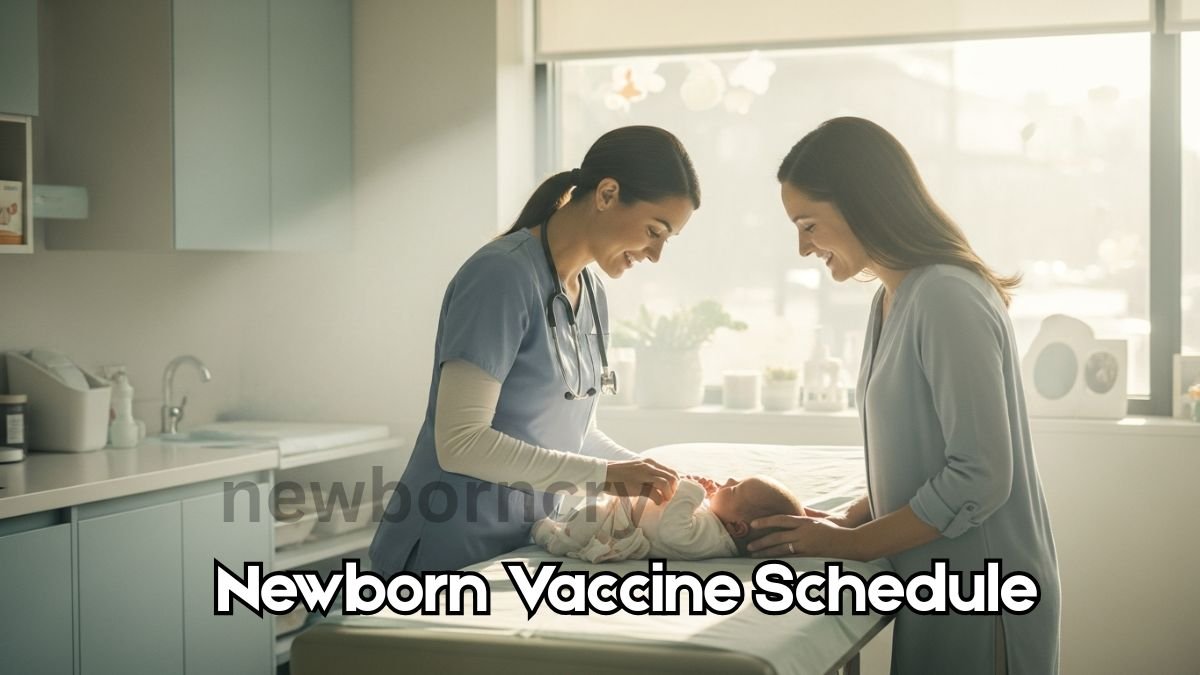
Bringing your baby home from the hospital is a whirlwind of joy, sleepless nights, and endless diaper changes. Somewhere in between the cuddles and feeding routines, you’re handed a stack of medical papers. Suddenly, you need to figure out when and how your little one gets immunized.
You are not alone. Most new parents feel overwhelmed by the amount of information coming their way.
This guide breaks down the entire newborn vaccine schedule – from the first moments after birth through the toddler years – in a clear, practical, and engaging way. No long, intimidating paragraphs. Just what you need to know, when you need to know it.
For deeper dives into pediatric infectious diseases, the Mayo Clinic is an excellent trusted resource.
Why Following the Vaccine Schedule Matters
Babies are born with developing immune systems. During the third trimester, mothers pass along temporary immunity, but that protection naturally fades within the first few months.
This is where vaccines step in.
- Closing the vulnerability window – Vaccines protect infants exactly when they are most at risk for severe, preventable illnesses.
- How they work – A tiny, weakened, or inactive part of a disease (or its blueprint) teaches your baby’s body to build antibodies without suffering through the sickness itself.
- Safety in numbers – Modern standards from the CDC and AAP design these timelines based on decades of safety data and how an infant’s immune system responds at different ages.
- Don’t delay – Spreading out or skipping doses leaves your child unprotected during the months when certain infections are the most dangerous.
At Birth: The First Line of Defense (Hospital Stay)

Your baby’s health journey begins the moment they enter the world. Before you even leave the hospital, several critical preventive steps are taken.
Hepatitis B (HepB) – First Dose
- Given within 24 hours of birth
- Protects against a serious viral infection that affects the liver
- Part of a three-dose series
- Latest guidance – For mothers who test negative for Hepatitis B, the CDC now recommends a shared clinical decision between parents and their provider. However, for mothers who test positive or whose status is unknown, the vaccine and immunoglobulin remain critical within 12 hours of birth. The AAP continues to recommend the birth dose for all newborns within 24 hours.
👉 Learn more about what to expect during this hospital stay: First Vaccine for Newborn Baby at Birth
Vitamin K Shot
- Newborns have low levels of vitamin K, which is essential for blood clotting
- Prevents Vitamin K Deficiency Bleeding (VKDB) – a rare but serious condition that can cause internal bleeding
- One-time injection, over in seconds
Erythromycin Eye Ointment
- Applied to prevent neonatal conjunctivitis (eye infection)
- Protects against bacteria like gonorrhea that may be passed during delivery
- Guards against potential blindness
- Routine across all U.S. hospitals
RSV Immunization (Monoclonal Antibodies)
- Respiratory Syncytial Virus (RSV) causes mild cold symptoms in adults but can lead to severe breathing issues in newborns
- Modern standards now include advanced monoclonal antibodies for infants entering their first RSV season
- Unlike traditional vaccines, these provide instant, ready-made protection
- Options: Maternal RSV vaccine given during pregnancy (32-36 weeks) OR the antibody given to baby after birth if mom wasn’t vaccinated
1 to 2 Months: The First Major Well-Child Visit
This is when your baby receives several immunizations at once. While it might seem like a lot, a baby’s immune system is incredibly robust and handles multiple vaccines safely.
| Vaccine | Protects Against | Notes |
|---|---|---|
| DTaP | Diphtheria, Tetanus, Pertussis (whooping cough) | Whooping cough is especially dangerous for infants |
| Hib | Haemophilus influenzae type b | Prevents meningitis, pneumonia, epiglottitis |
| IPV | Polio | A disease that can cause paralysis |
| RV | Rotavirus | Oral drops, not a shot – prevents severe diarrhea and dehydration |
| PCV13 | Pneumococcal bacteria | Prevents ear infections, pneumonia, blood infections |
4 Months: The First Boosters
Your baby returns for their second round of these same vaccines. These boosters strengthen the immunity that began building at the 2-month visit.
- DTaP (2nd dose) – Fortifies protection against whooping cough, diphtheria, and tetanus
- Hib (2nd dose) – Adds another layer against bacterial meningitis
- IPV (2nd dose) – Continues polio protection
- RV (2nd dose) – Another round of oral drops
- PCV13 (2nd dose) – Reinforces defense against pneumococcal diseases
By now, you’re likely getting the hang of pediatrician visits – and maybe even mastering the art of soothing post-shot tears.
6 Months: Continued Protection
At 6 months, your baby may be sitting up, smiling, and exploring the world. Their immune system needs ongoing support.
- DTaP (3rd dose)
- Hib (3rd dose)
- IPV (3rd dose)
- PCV13 (3rd dose)
- Hepatitis B (3rd dose) – Completes the series if not given at birth
- RV (3rd dose) – Depending on the brand used (some require 2 doses, some 3)
- Influenza (Flu shot) – First dose for babies 6 months and older
Why the flu shot matters: Children under 5, especially those with asthma, heart conditions, diabetes, or other chronic illnesses, are at higher risk for serious flu complications.
12 to 15 Months: Big Milestone Vaccines
Your baby is now a toddler on the move. This visit introduces vaccines against some of the most well-known childhood diseases.
- MMR – Measles, Mumps, Rubella (German measles). Two doses are 97% effective at preventing measles.
- Varicella (Chickenpox) – Often given as a separate shot or combined as MMRV
- Hib booster
- PCV13 booster
12 to 23 Months: Hepatitis A
- HepA vaccine – Given as two shots at least six months apart
- Early travel dose – Babies as young as 6 months can get HepA if traveling to areas where hepatitis A is common (they will still need the routine doses after age 1)
15 to 18 Months: DTaP Booster
- One more dose of DTaP to keep diphtheria, tetanus, and pertussis protection strong
4 to 6 Years: Before Kindergarten
Your child receives their final preschool boosters:
- DTaP
- MMR
- IPV
- Varicella
11 to 12 Years: Preteen Vaccines
- HPV (Human Papillomavirus) – Two doses, 6–12 months apart (can start as early as age 9). Prevents certain cancers and genital warts.
- Tdap booster – Tetanus, diphtheria, pertussis. Also recommended during every pregnancy.
- MenACWY – Meningococcal vaccine (serogroups A, C, W, Y). Booster at age 16.
16 to 18 Years: Meningococcal B
- MenB vaccine – Protects against meningococcal bacteria type B. Two doses for teens and young adults (16–23 years old, with preferred age 16–18). Shared clinical decision with parents and doctor.
Combination option – MenABCWY vaccine can protect against all five serogroups in one shot.
Special Situations & Additional Vaccines
For Travel or Outbreaks
- MMR for infants 6–11 months – If traveling abroad or living in a measles outbreak area. Still needs routine doses at 12–15 months and 4–6 years.
- HepA for infants 6–11 months – For travel to high-risk areas.
For High-Risk Children
- Pneumococcal vaccine for ages 2+ – If the child has a weakened immune system (asplenia, HIV, cochlear implant, chronic heart or lung disease)
- MenACWY as early as 8 weeks – For children with certain immune problems or those living in/traveling to meningitis-endemic areas
For Adults
- Polio booster – For those traveling to polio-endemic areas or exposed at work
- Mpox vaccine – Starting at age 18 for those at high risk (two doses, one month apart)
Dengue Vaccine (9–16 years)
- For children who have already had dengue fever and live in areas where dengue is common (Puerto Rico, American Samoa, U.S. Virgin Islands). Three doses.
How to Keep Track of Your Baby’s Immunizations

Between sleep deprivation and endless appointments, remembering which shots your baby has had – and which are coming next – can feel impossible.
Try these simple strategies:
- Get a physical record – Ask for a printed immunization card at your first pediatrician visit. Keep it in a safe folder with your baby’s birth certificate.
- Use digital tools – Set smartphone calendar alerts or try a specialized baby vaccination reminder tool for timely notifications.
- Don’t panic if you miss a dose – Life happens. Your pediatrician will use a CDC-approved “catch-up” schedule. You never need to restart a vaccine series, no matter how much time has passed.
Common Side Effects & How to Soothe Your Baby
Seeing your baby cry after a shot is hard. But most side effects are mild and resolve within 24–48 hours. They actually show that the immune system is working.
Typical mild reactions:
- Slight fever
- Redness, swelling, or soreness at the injection site
- Increased fussiness or crying
- Sleeping more or less than usual
- Temporary decrease in appetite
Soothing tips that work:
- Skin-to-skin contact – Your warmth and heartbeat are incredibly comforting
- Nurse or feed – Offering breast or bottle right after shots provides immediate comfort and distraction
- Cool compress – A cool, damp cloth on the injection site reduces inflammation
- Ask your doctor about pain relief – Never give medication without your pediatrician’s approval; they can provide the exact safe dosage of infant acetaminophen if needed
Frequently Asked Questions
Can my baby get multiple vaccines at once?
Yes. Decades of medical research prove it’s perfectly safe. A baby’s immune system encounters thousands of new germs every day. The tiny antigens in vaccines are a microscopic fraction of what their bodies handle naturally.
What if my baby was born prematurely?
Premature babies generally receive immunizations at the same chronological age as full-term babies (based on birth date, not due date). Because preemies are at higher risk for infections, getting protected on time is especially critical. Your pediatrician will guide you.
Is it safe to delay vaccines and spread them out?
Medical professionals strongly advise against this. The established timelines are scientifically designed to close the “window of vulnerability” when maternal antibodies fade. Delaying leaves your baby unprotected for longer.
What happens if we completely miss an appointment?
Call your pediatrician as soon as possible to reschedule. Doctors use a specialized catch-up protocol – you never have to restart any series.
Can I refuse vaccines for my newborn?
In the U.S., parents have the legal right to decline, though state laws vary on medical, religious, or philosophical exemptions. However, refusing vaccines raises the risk of serious, preventable illnesses. If you have concerns, talk openly with your pediatrician.
Your Newborn Vaccine Checklist
- ✅ At the hospital – Hepatitis B, Vitamin K, eye ointment, and RSV antibodies (if in season)
- ✅ 2 months – First doses of DTaP, Hib, IPV, RV, PCV13
- ✅ 4 months – Second doses of the above
- ✅ 6 months – Third doses + first flu shot
- ✅ 12–15 months – MMR, Varicella, boosters
- ✅ 12–23 months – Hepatitis A (two doses)
- ✅ 4–6 years – Preschool boosters
- ✅ 11–12 years – HPV, Tdap, MenACWY
- ✅ 16–18 years – MenB
Final Thoughts
You are doing an incredible job. Navigating your baby’s medical needs is a huge part of new parenthood, but you don’t have to do it alone.
Remember these core truths:
- Protection begins the moment your baby is born
- The two-month milestone is crucial for building long-term immunity
- Stay organized with physical and digital records
- Mild side effects are normal – cuddles fix almost everything
- Your pediatrician is your partner – ask every question that comes to mind
By staying informed and following the recommended schedule, you’re giving your child the strongest possible shield against preventable diseases. That’s something to be proud of.
Disclaimer: The information provided in this article is based on publicly available medical guidelines and data from sources including the CDC and AAP. It is intended for general informational purposes only and should not be considered a substitute for professional medical advice. For personalized recommendations or concerns about your baby’s health and vaccination schedule, please consult your pediatrician or healthcare provider.