
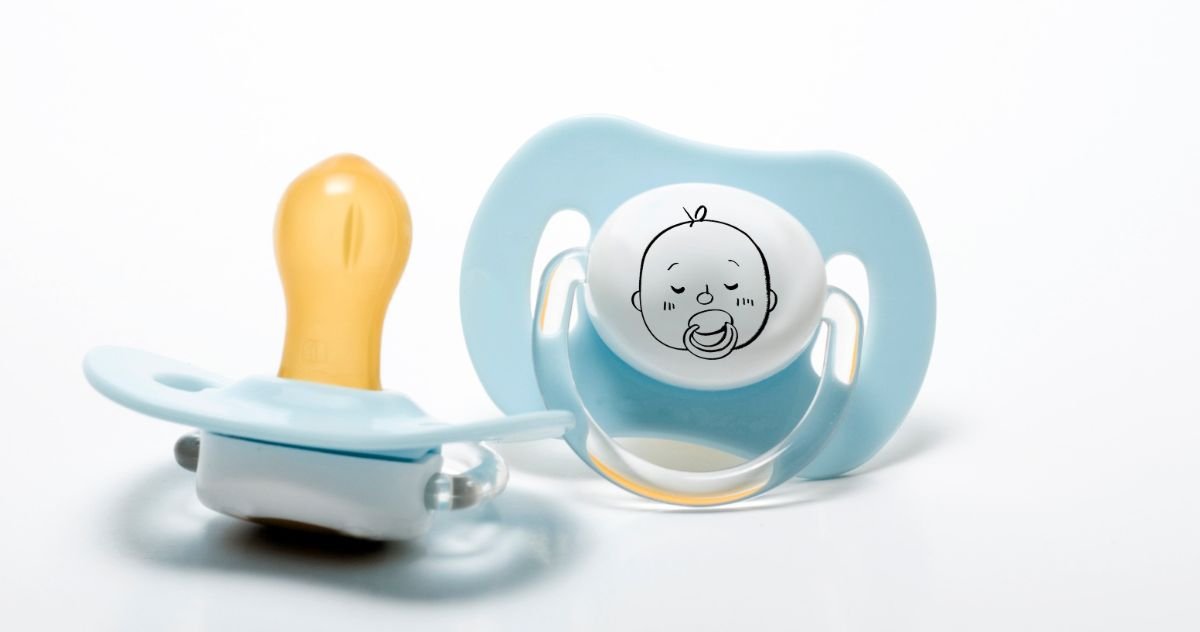
Can a Newborn Sleep With a Pacifier? The Ultimate Safety Guide Every Parent Needs

A Parent’s Late-Night Dilemma

It was 2 AM, and little Ali wouldn’t stop crying. As new parents, my husband and I were exhausted, trying everything – rocking, singing, swaddling. Then we remembered the pacifier our pediatrician had recommended. With trembling hands, we offered it to our three-week-old, and miraculously, he calmed down almost instantly. But then the worry set in: “Can a Newborn Sleep With a Pacifier safely? Are we doing the right thing?”

If you’ve found yourself in a similar situation, you’re not alone. The first few weeks with a newborn are very special. As a parent, you want to make sure your baby is comfortable and sleeps well. One common question is whether a newborn can sleep with a pacifier.

Why This Guide Matters

Pacifiers can be very useful during this time. The American Academy of Pediatrics provides clear advice on how to use pacifiers safely while sleeping. These guidelines are intended to help you keep your baby safe and content.

This guide will explain everything you need to know about pacifiers and newborn sleep. We’ll answer your most pressing questions, such as whether a newborn can sleep with a pacifier, and offer expert advice to help you care for your baby with confidence.

Quick Safety Checklist

  • Always use one-piece construction pacifiers
  • Wait until breastfeeding is established (3-4 weeks)
  • Check pacifier regularly for damage
  • Never attach strings or cords
  • Place baby on back to sleep

Key Takeaways

  • Pacifiers can be a safe sleep aid for newborns when used properly.
  • The AAP supports the use of pacifiers to reduce SIDS risk.
  • Proper pacifier selection and placement are essential for infant safety.
  • Every baby is different, so consider what’s best for them.
  • Talking to your pediatrician can help a lot.

Understanding Pacifier Use in Newborns: More Than Just a Soothing Tool

Can a Newborn Sleep With a Pacifier

Pacifiers are more than just a soothing tool for babies. They play an important role in keeping babies comfortable and helping them grow. When asked “can you let a newborn sleep with a pacifier,” the answer is based on their unique benefits and how they work.

Pacifiers promote calm in babies by allowing them to suck without eating. This benefits them in numerous ways. Here’s how these small devices benefit babies:

  • Release of calming endorphins
  • Promoting relaxation and sleep.
  • Offering emotional security
  • Supporting natural sucking instincts.

What is a pacifier, and how does it work?

A pacifier looks like a nipple and calms babies. Sleeping with a pacifier makes a baby feel safer and less stressed. This allows them to relax and feel better.

Advantages of Nonnutritive Sucking

Non-nutritive sucking is extremely beneficial for babies. It teaches them how to relax, deal with loud noises, and control their emotions. Pacifiers provide a steady, comforting object for babies to hold onto.

The Science of Pacifier Use

Studies have shown that sucking makes babies happy. It’s because sucking activates happy areas in their brain. This is why pacifiers make babies feel safe and calm, whether they are sleeping or awake.

Can a Newborn Sleep with a Pacifier: Expert Guidelines?

Can a Newborn Sleep With a Pacifier

It’s critical for parents to understand whether their newborn can sleep with a pacifier. Experts provide clear guidance on using pacifiers at night and during naps.

The American Academy of Pediatrics (AAP) recommends using a pacifier when putting your newborn to sleep. This may reduce the risk of Sudden Infant Death Syndrome (SIDS). You can find the official AAP recommendations for a safe sleep environment here. If you’re unsure whether your newborn can sleep with a pacifier, follow these safety guidelines.

  • Introduce pacifiers once breastfeeding is well established.
  • Use pacifiers consistently during sleep time.
  • Keep pacifiers clean and in good condition.
  • Replace pacifiers with signs of wear.

According to experts, newborns can usually sleep with a pacifier if done correctly. Newborns frequently find comfort in sucking, which allows them to sleep better.

Age is very important. Experts recommend waiting until breastfeeding is established, which should be around 3-4 weeks, before using a pacifier for sleep. This helps avoid nipple confusion and ensures proper feeding.

Keep an eye on your baby’s pacifier usage. Consult your pediatrician for advice tailored to your newborn’s specific needs.

SIDS Prevention and Pacifier Use: What Every Parent Must Know

Keeping your newborn safe while they sleep is critical. Pacifiers can reduce the risk of Sudden Infant Death Syndrome. This gives parents peace of mind when using pacifiers.

The American Academy of Pediatrics (AAP) has done extensive research. They discovered that pacifiers can be very useful while sleeping. It is critical for parents to understand the safety guidelines for using pacifiers.

Research on SIDS Risk Reduction.

According to studies, pacifiers can significantly reduce the risk of SIDS. Here are some key points:

  • Pacifiers may help to keep the airway open.
  • They promote better breathing during sleep.
  • They make babies less likely to sleep too deeply.

AAP Recommendations for Safe Sleep:

The AAP has clear rules for safe pacifier use to reduce SIDS risks.

  • Always place babies on their backs to sleep.
  • Use a firm sleeping surface.
  • Avoid soft bedding or excessive blankets.

When to Use a Pacifier for Sleep

Wait until breastfed babies are 3-4 weeks old. It’s critical to introduce a pacifier at the appropriate time. This ensures that it promotes sleep while not interfering with feeding.

Follow these tips to make your baby’s sleep safer. This can also help to reduce the risk of SIDS when using pacifiers.

Choosing the right pacifier for your newborn: A Comprehensive Guide

It can be difficult to choose the right pacifier for your newborn. Parents must understand the key factors for a safe and comfortable option.

Different newborns prefer different pacifiers. Choosing the right one can significantly improve their comfort and sleep.

  • Consider pacifier shape: Newborns may prefer various nipple designs.
  • Check the material safety: Medical-grade silicone or latex are recommended.
  • Evaluate the size appropriate for newborns.
  • Look for a one-piece construction to avoid choking hazards.

Pacifier Type Comparison Chart

TypeBest ForMaterialKey Feature
OrthodonticNatural jaw developmentMedical siliconeFlat bottom side
Cherry-shapedStrong suckersNatural rubberRound nipple
SymmetricalEither way upMedical siliconeSame shape both sides

When looking for pacifiers for newborn sleep, focus on the following key features:

  • Orthodontic design that promotes normal mouth development
  • Ventilation holes reduce skin irritation.
  • Soft, flexible nipple that simulates natural feeding.
  • Easy-to-clean materials

Doctors recommend using pacifiers made specifically for newborns. These ensure a proper fit and reduce risks when your newborn sleeps with one.

Always inspect pacifiers for wear and tear. Replace them to ensure your baby’s sleep safety.

Traveling with Pacifiers: Essential Tips

When you’re on the go with your newborn, pacifier safety becomes even more crucial. Here are some travel-specific tips:

  • Always carry multiple clean pacifiers in a sealed container
  • Use pacifier clips with safety releases
  • Bring portable sterilizing wipes
  • Have a “backup pacifier” in your diaper bag

Safe sleep environment with pacifiers

Creating a safe sleeping environment for your newborn is critical. You should consider using a pacifier. Parents must adhere to expert guidelines to keep their baby safe at night.

Proper pacifier placement

Putting your baby’s pacifier in the proper location is critical. Here are a few important tips:

  • Never tie pacifiers to strings or cords near the crib.
  • Insert the pacifier loosely into the baby’s mouth.
  • Choose a one-piece pacifier with no removable parts.
  • Ensure that the pacifier is age-appropriate for your newborn.

Nighttime Safety Measures

When can newborns safely sleep with pacifiers? The American Academy of Pediatrics offers some advice:

  • Before each use, check the pacifier for any damage.
  • Replace pacifiers every two to three months.
  • Pacifiers should be cleaned regularly with warm, soapy water.
  • Have multiple pacifiers available at nighttime.

Room Sharing Recommendations

The AAP recommends sharing a room but not a bed for the first six months. This allows you to watch your baby sleep with a pacifier. Keep the crib or bassinet close to your bed, but separate.

Remember, each baby is unique. While pacifiers can help, always consult your pediatrician about your baby’s sleep requirements and safety.

Breastfeeding and pacifier Use

Using a pacifier while breastfeeding can be challenging for new parents. According to studies, pacifiers usually do not interfere with breastfeeding. It’s crucial to strike a balance between your baby’s comfort and feeding.

Pediatric experts provide tips for using pacifiers with breastfed babies:

  • Wait until breastfeeding is well established (usually 3-4 weeks).
  • Select pacifiers that resemble natural nipple shapes.
  • Avoid using pacifiers as a substitute for feeding.
  • Monitor your baby’s nursing cues and comfort.

When considering whether a newborn can sleep with a pacifier, timing is critical. Lactation consultants recommend introducing pacifiers after the milk supply has stabilized. This helps to prevent nipple confusion and promotes natural sucking.

Choose pacifiers made for newborns from soft, flexible materials. Look for indicators of comfort and attachment. Make sure the pacifier facilitates your breastfeeding journey.

Common Concerns Regarding Pacifier Sleep

Parents frequently wonder if allowing a newborn to sleep with a pacifier is appropriate. They are concerned about the long-term effects. Knowing these concerns can help you make a decision about pacifiers for your baby.

Worries about pacifier dependency

Many parents worry that their child will rely too heavily on a pacifier. However, studies show that moderate use in infancy rarely leads to significant attachment problems. Here’s how to avoid excessive reliance:

  • Only use the pacifier while your baby sleeps.
  • As your baby grows older, you can gradually reduce its use.
  • Consider other ways to calm your baby.

Dental Development Considerations.

Is it acceptable to allow a newborn to sleep with a pacifier for their teeth? Experts believe it is usually safe for the first two years. However, using it for an extended period of time may cause issues with tooth alignment. So keep an eye on it.

Middle-Ear Infection Risks

Pacifiers may be linked to middle ear infections, but it’s unclear how much. Keeping things clean and using pacifiers appropriately can help. Tell your doctor about your concerns.

Always consult your pediatrician before using pacifiers for your newborn.

Proper Pacifier Care and Maintenance: Your Step-by-Step Guide

When considering whether my newborn can sleep with a pacifier, it’s important to understand how to keep it clean. This is essential for your baby’s health and safety. A clean pacifier eliminates harmful bacteria and keeps your baby safe while they sleep.

For the first six months, it is critical to sterilize the pacifier. Here are some necessary cleaning steps:

  • Boil pacifiers for 5 minutes before the first use.
  • Clean daily with hot, soapy water.
  • To clean thoroughly, use the dishwasher’s sanitize cycle.
  • Pacifiers should be replaced every 2-3 months, or sooner if they are damaged.

Check the pacifier frequently for damage. Search for:

  • Cracks or tears in your nipple
  • Discoloration
  • Stretched or misshapen rubber

Pro tip: Always have extra clean pacifiers on hand when your newborn sleeps. This allows you to quickly swap out a dirty or broken one while keeping things clean.

Carry a clean container and antibacterial wipes with you to care for your pacifier on the go. When can my newborn sleep with a pacifier becomes a nightly routine, take these simple steps to keep it safe.

When and How to Stop Using Pacifiers: A Gentle Approach

Knowing when to discontinue pacifier use is critical for your child’s development. Newborns can sleep with pacifiers, but parents should begin weaning them as they grow older. To keep your child’s teeth healthy, experts recommend starting weaning before they reach the age of two.

It is critical to select an appropriate time to remove the pacifier. Here are some weaning tips:

  • Begin gradual reduction between 6-12 months.
  • Look for symptoms of pacifier addiction.
  • Help your child sleep without it.
  • Take slow steps to stop using it.

Stopping pacifier use requires patience and planning. According to pediatric dentists, taking early action can prevent tooth problems. Most children lose interest in pacifiers between the ages of 18 and 24 months, so now is a good time to stop.

Here are some tips to help your child stop using a pacifier:

  • Just use it for sleeping.
  • Slowly reduce nighttime use.
  • Give them other things for comfort.
  • Give praise when they do well.

Every child is different. While newborns can sleep safely with a pacifier, discontinuing it requires patience and understanding. Consult your pediatrician for advice tailored to your child’s specific needs.

Real Parent Experience: The Pacifier Journey

Our daughter took to the pacifier immediately at 4 weeks old. It was a game-changer for her sleep and our sanity. We followed all the safety guidelines and worked with our pediatrician. Now at 18 months, we’re gradually weaning her off using the ‘pacifier fairy’ method. It’s been a positive experience overall!” – Sarah, Mother of 18-month-old*

Signs Your Baby Shouldn’t Use A Pacifier

Not every newborn prefers a pacifier, and that’s fine. Parents should look for signs that a pacifier isn’t right for their baby. This is critical when determining whether a newborn can sleep with a pacifier.

Some babies clearly indicate that they do not want or need a pacifier. Knowing these signs allows parents to make better decisions for your baby’s sleep and health.

  • Persistent Rejection: If your baby keeps spitting out the pacifier or appears upset.
  • Breathing issues while using the pacifier
  • Feeling uncomfortable in your mouth
  • Frequently gagging or choking.

Medical conditions may also influence whether a newborn can sleep with a pacifier. Pacifiers may not be a good choice due to issues with breathing, mouth shape, or feeding.

If your baby does not want a pacifier, don’t force it. Other ways to soothe them include rocking, white noise, and swaddling. These can also help your newborn sleep more soundly.

  • Talk to your pediatrician about any concerns.
  • Keep track of your baby’s favorite things.
  • Be patient when teaching them to sleep.

Each baby is unique. Pacifiers and sleep: what works for one person may not work for another.

Conclusion

Knowing whether newborns can sleep with a pacifier is critical. It’s all about safety and meeting each baby’s needs. According to studies, pacifiers are safe and can even help prevent SIDS.

Parents should consult doctors about pacifiers. Choosing the right pacifier, keeping it clean, and knowing where to put it are all important. Every baby is unique, so keep an eye on things and make adjustments as necessary.

Always consult a doctor about your baby’s sleep. They can provide advice based on your baby’s health and age. This helps ensure your baby’s safety and comfort.

Using a pacifier at night is an important decision. It requires careful consideration and the appropriate information. You can improve your baby’s sleep by listening to doctors and adhering to safety guidelines.

FAQ

Is it safe to let a newborn sleep with a pacifier?

Yes, it is safe for newborns to sleep with pacifiers. The American Academy of Pediatrics (AAP) believes it could aid in the prevention of Sudden Infant Death Syndrome. However, be sure to follow safety precautions, such as not forcing it if your baby does not want it.

When can I begin using a pacifier with my newborn?

Wait until breastfeeding is established, which should be around 3-4 weeks. Formula-fed babies can begin at birth. Always consult your pediatrician for advice tailored to your baby’s specific needs.

Can a pacifier cause nipple confusion in breastfed babies?

There is a slight chance of nipple confusion. However, research shows that if introduced carefully, pacifiers do not usually cause problems while breastfeeding. Choose a pacifier that resembles a real nipple to assist.

How can pacifiers help reduce the risk of SIDS?

Pacifiers may help keep babies in a safe sleep position. They may also prevent deep sleep by keeping airways open. According to the AAP, using pacifiers during sleep can help prevent SIDS.

What type of pacifier is ideal for a newborn?

Look for pacifiers designed for newborns. They should have a small, soft nipple with a large shield to avoid choking. Choose ones made of safe, BPA-free materials. Orthodontic pacifiers promote good oral health.

How frequently should I clean my baby’s pacifier?

Pacifiers should be cleaned frequently, especially before their first use. For newborns, wash with hot, soapy water or boil them. For daily cleaning, use hot water and mild soap. Replace them every 2-4 weeks or when they appear worn out.

Can using a pacifier affect my baby’s dental development?

Long-term use may affect dental alignment. Experts recommend that children stop using pacifiers between the ages of 6 months and two years. Consult your pediatrician or dentist about when to stop.

What should I do if my newborn dislikes the pacifier?

Do not force it. Some babies dislike pacifiers. Try different types, but if they refuse, find alternative ways to soothe them. Every baby has different preferences.

Is there any risk associated with using a pacifier while sleeping?

While generally safe, long-term use can lead to ear infections and dental problems. Always check the pacifier for damage and adhere to safe sleep guidelines. If you’re concerned, speak with your pediatrician.

Affiliate Disclaimer

Transparency and Trust

Our goal at Can a Newborn Sleep With a Pacifier? Safety Guide , is to provide valuable and honest information to help you on your parenting journey. To support this mission, some of the links in this blog post are affiliate links. This means that if you click on the link and make a purchase, we may earn a small commission from the retailer at no extra cost to you.

We only recommend products that we have thoroughly researched, that align with AAP safety guidelines, or that we genuinely believe will be beneficial for our readers. These affiliate earnings help us maintain the blog, conduct deeper research, and continue to provide free, high-quality content for parents like you.

Thank you for your support and for trusting our recommendations.

Medical Disclaimer

Important Safety Information

The information provided in this blog post, “Can a Newborn Sleep With a Pacifier? Safety Guide,” is for educational and informational purposes only. It is based on current guidelines from the American Academy of Pediatrics (AAP) and other reputable medical sources. It is not intended as a substitute for professional medical advice, diagnosis, or treatment.

Always seek the advice of your pediatrician, physician, or other qualified health provider with any questions you may have regarding your newborn’s health, sleep habits, or the use of a pacifier. Do not disregard professional medical advice or delay seeking it because of something you have read on this website.

The safety and well-being of your child are paramount. The recommendations in this article are general guidelines, and your pediatrician can provide advice tailored to your baby’s specific health needs and circumstances.

If you believe your child may have a medical emergency, call your doctor or emergency services immediately. Can a Newborn Sleep With a Pacifier? Safety Guide, and its authors do not endorse any specific medical tests, products, procedures, or opinions mentioned on this site. Reliance on any information provided by this website is solely at your own risk.

Leave a Comment