
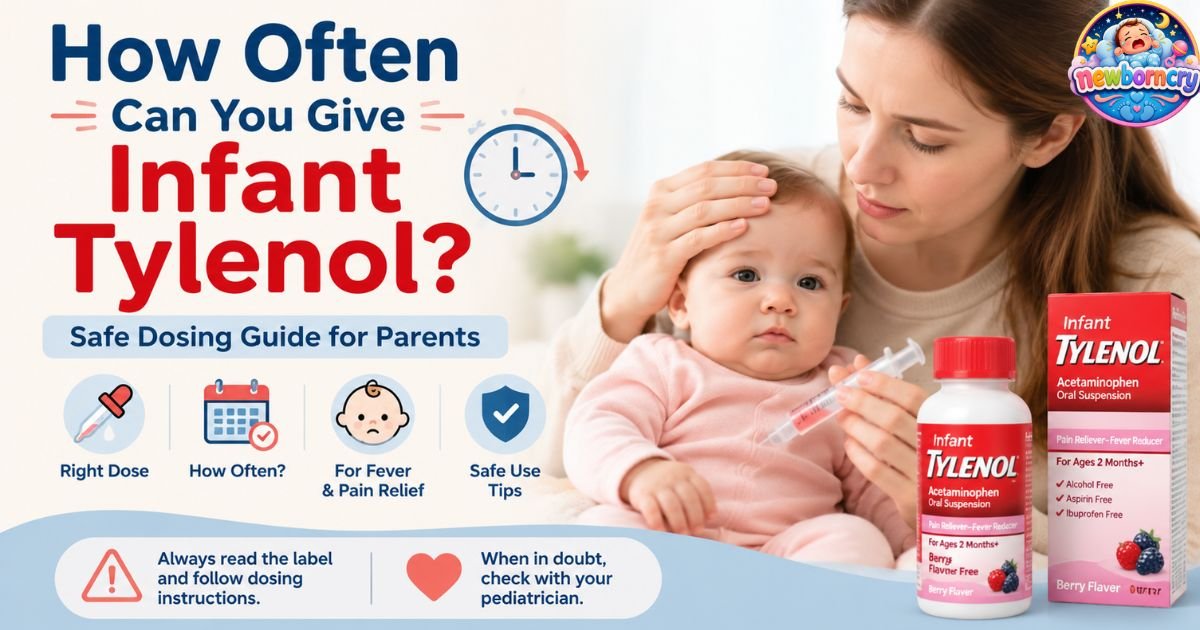
It is the middle of the night, and your baby wakes up crying. They feel warm to the touch, and the thermometer confirms what you suspected: a fever. As a parent, your first instinct is to bring them comfort, and you reach for the medicine cabinet. But as you hold the bottle, the questions start racing through your mind. Is it safe? How much do they need? Most importantly, how often can you give infant Tylenol without overdoing it?
Managing a sick baby is stressful enough without having to guess medication dosages in the middle of the night. Whether you are dealing with teething pain, a post-vaccination fever, or a mild bug, getting the timing and dosage right is critical for your child’s safety and your peace of mind.
In this comprehensive guide, we will walk you through the current guidelines, safe dosing practices, and the essential rules every parent needs to know to manage their baby’s discomfort safely.
Understanding the Frequency: How Often is Safe?
When your baby is fussy and feverish, waiting for the next dose can feel like an eternity. However, sticking to the recommended schedule is absolutely vital to prevent accidental overdoses and protect your baby’s developing liver.
So, exactly how often can you give infant Tylenol? According to current guidelines from leading pediatric authorities, you can administer a dose every 4 to 6 hours as needed.
However, there is a strict daily limit: Do not exceed 5 doses in any 24-hour period.
If you find that your baby’s fever or pain returns before the 4-hour mark, you must resist the urge to give another dose of acetaminophen (the active ingredient in Tylenol) early. Instead, try non-medical comfort measures like a lukewarm sponge bath, offering extra fluids, or simply holding and comforting them until it is safe to administer the next dose.
Helpful Tip: To avoid confusion, especially if multiple caregivers are helping out, keep a simple written log or use a digital tracker noting the exact time and amount of each dose.
Why Weight Matters More Than Age
One of the most common mistakes parents make is dosing by their baby’s age rather than their weight. Babies grow at vastly different rates; a six-month-old could weigh anywhere from 13 to 20 pounds.
Medical standards dictate that acetaminophen dosing must be calculated based on the child’s body weight to ensure both efficacy and safety. The standard therapeutic dose is 10 to 15 milligrams (mg) per kilogram (kg) of body weight.
Fortunately, modern standards have simplified things for parents. Today, standard liquid infant acetaminophen comes in a single, uniform concentration: 160 mg per 5 mL. This standardization helps prevent the dosing errors that used to occur when different strengths were sold on store shelves.
Before administering any medication, always weigh your baby and consult a reliable dosage chart or your pediatrician. Never guess the amount based on how old they are.
Essential Safety Guidelines for Parents

Administering medication to an infant requires precision and care. Beyond knowing how often you can give infant Tylenol, keep these critical safety practices in mind:
1. The 3-Month Rule
If your baby is under 12 weeks (3 months) old, do not give them acetaminophen without direct instructions from a doctor. In newborns and young infants, a fever can be a sign of a serious infection that requires immediate medical evaluation, not just home treatment.
2. Always Use the Syringe
Never use a standard kitchen spoon to measure medication. Kitchen spoons are not standardized and can easily lead to giving too much or too little medicine. Always use the oral syringe that comes in the medication box, as it is designed for precise, milliliter-based measurements.
3. Check for Hidden Acetaminophen
If you are giving your baby any other over-the-counter remedies (though most cold and cough medicines are not recommended for infants), read the labels carefully. Many multi-symptom products contain acetaminophen. Giving Tylenol on top of these can quickly lead to a dangerous overdose.
For more insights on keeping your baby comfortable safely, check out our guide on managing baby fevers at home.
4. Administer Slowly
When giving the medication, aim the syringe toward the inside of your baby’s cheek, not straight to the back of their throat. Push the plunger slowly to allow them time to swallow naturally and prevent choking or spitting up.
When to Call the Doctor
While acetaminophen is an excellent tool for managing mild to moderate discomfort, it is not a cure for the underlying illness. It is crucial to know when to put the medicine dropper down and pick up the phone.
You should contact your pediatrician immediately if:
- Your baby is under 3 months old and has a rectal temperature of 100.4°F (38°C) or higher.
- The fever lasts for more than 24 hours in a child under 2 years old.
- Your baby is unusually lethargic, unresponsive, or difficult to wake.
- They are refusing to drink fluids or show signs of dehydration (fewer wet diapers, no tears when crying).
- The fever is accompanied by other concerning symptoms, such as a stiff neck, persistent vomiting, or an unexplained rash.
For trusted clinical information on recognizing severe symptoms, the Mayo Clinic provides excellent resources on pediatric fevers, and the AAP’s parent portal (HealthyChildren.org) offers comprehensive guidance on when to seek emergency care.
Proper Storage and Handling
Medication safety doesn’t end after the dose is given. To ensure the medication remains effective:
- Store it securely out of sight and reach of children. Remember, a “child-resistant” cap is not entirely child-proof.
- Keep the bottle at room temperature, away from excessive heat or direct sunlight.
- Always check the expiration date before use. Expired medication may lose its potency or break down, rendering it ineffective when your baby needs it most.
Key Takeaways
- Frequency: You can give infant Tylenol every 4 to 6 hours as needed.
- Daily Limit: Never exceed 5 doses in a 24-hour period.
- Dosing Metric: Always dose based on your baby’s current weight, never their age.
- Standard Concentration: Ensure your liquid acetaminophen is the standard 160 mg / 5 mL concentration.
- Age Restriction: Never give acetaminophen to babies under 3 months old without a doctor’s explicit approval.
Frequently Asked Questions (FAQs)
Q: Can I alternate infant Tylenol with ibuprofen?
While some parents have heard of alternating acetaminophen with ibuprofen (like Motrin), top pediatric academies generally do not recommend this as a routine practice. Switching between two different medications significantly increases the risk of dosing errors and accidentally giving too much of one drug. Furthermore, ibuprofen is not safe for babies under 6 months of age.
Q: What if my baby spits up the medicine right after I give it?
If your baby spits up or vomits within 15 minutes of taking the dose, you can generally repeat the dose. However, if it has been longer than 15 minutes, or if you are unsure how much they swallowed, it is safest to wait until the next scheduled dose (4 to 6 hours later) to avoid the risk of an overdose. When in doubt, call your pediatrician’s nursing line.
Q: Is it safe to give my baby Tylenol before their vaccinations to prevent a fever?
No, current guidelines advise against giving acetaminophen before immunizations as a preventative measure, as it may potentially interfere with the body’s immune response to the vaccine. It is best to wait and only administer the medication if your baby develops a fever or shows signs of discomfort after receiving their shots.
Medical Disclaimer:
The information provided in this article is for educational and informational purposes only and is not intended as a substitute for professional medical advice, diagnosis, or treatment. Every child is different, and medical guidelines can change. Always seek the direct advice of your pediatrician or another qualified healthcare provider with any questions you may have regarding your baby’s health, a specific medical condition, or before administering any medication. Never disregard professional medical advice or delay in seeking it because of something you have read on this website.