
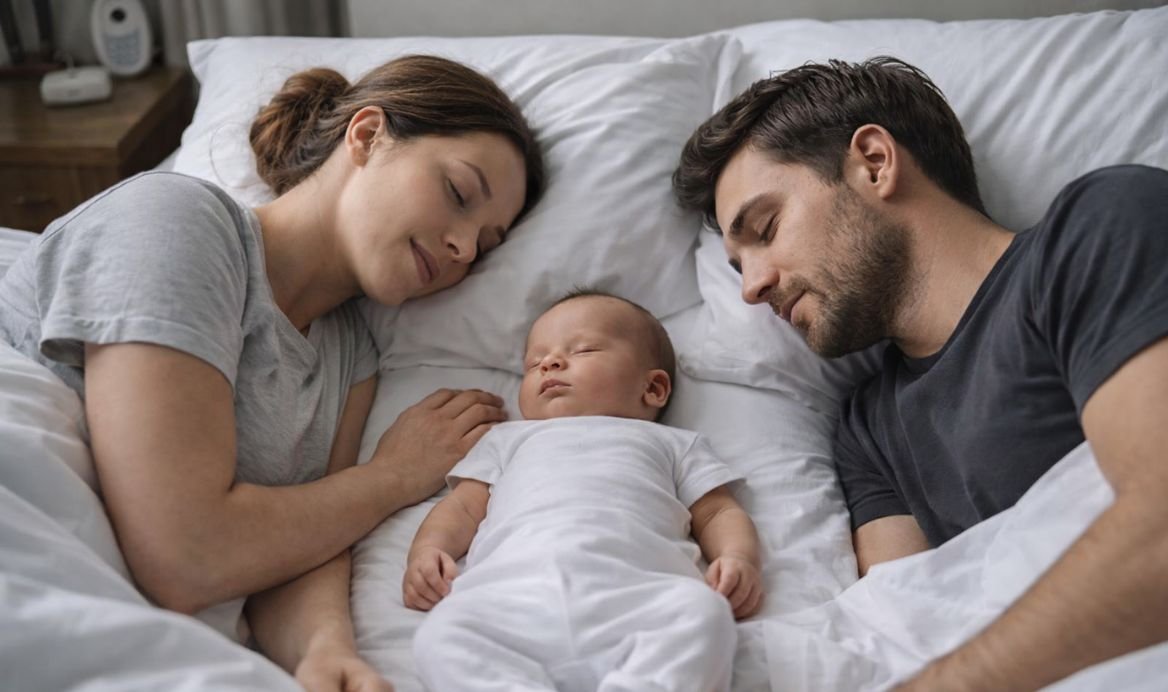
New parents have a lot of questions when they bring their newborn home, but one of the most pressing is how their baby will sleep. Sharing a bed at night can help with bonding and feeding, so it’s something some families think about. The phrase “Safe Sleep 7” usually appears here.
The purpose of Safe Sleep 7 is not to encourage sharing a bed. The goal, should parents so desire, is to lessen potential danger. It is still recommended by medical professionals that babies sleep on a separate surface in the same room for their safety. Straightforward, uncomplicated, and truthful is how this manual describes Safe Sleep 7.
What Is Safe Sleep 7
The goal of the Safe Sleep 7 conditions is to reduce the likelihood of sleep-related accidents in situations where people share beds. This word comes up a lot in classes on nursing and putting a baby to sleep.
One thing must be understood precisely. You won’t be entirely safe with Safe Sleep 7.
Newborns are still best suited to share a room with an adult, rather than a bed, according to medical groups like the American Academy of Pediatrics.
Why Parents Look for Safe Sleep 7

Parents usually search for Safe Sleep 7 because:
- The baby wakes often at night
- Breastfeeding is easier when the baby is close
- Parents are exhausted and looking for practical solutions
- Cultural or family traditions support co-sleeping
Understanding the rules helps parents make informed and safer choices instead of accidental unsafe sleep situations.
The 7 Safe Sleep Rules Explained Simply
1. Parents Should Not Smoke
Smoking increases the risk of sudden infant death and breathing problems during sleep. This includes cigarettes, vaping, or exposure to secondhand smoke.
2. No Alcohol or Drugs
Parents must be completely sober. Alcohol, sleep medications, or recreational drugs reduce awareness and increase risk during sleep.
3. The Baby Sleeps on Their Back
Back sleeping keeps the airway open and lowers the risk of sudden infant death. This rule applies every time the baby sleeps.
4. A Firm and Flat Sleep Surface
Soft mattresses, couches, or recliners are extremely dangerous for newborns. The surface must be firm, flat, and stable.
5. No Loose Bedding or Pillows
Blankets, pillows, stuffed toys, or heavy bedding should never be near the baby’s face. These items increase suffocation risk.
6. The Baby Is Full-Term and Healthy
Premature babies or infants with breathing or neurological conditions should not bed-share due to higher medical risk.
7. Only the Parents and Baby in Bed
No siblings, pets, or extra adults should share the bed. More people increase movement and accident risk.
What Safe Sleep 7 Does Not Mean
Safe Sleep 7 does not mean:
- Bed-sharing is recommended
- The risk is completely removed
- Every family should do it
- It is safer than a crib or bassinet
Medical research consistently shows that a baby sleeping alone, on their back, in a crib or bassinet is the safest setup.
Room-Sharing vs Bed-Sharing
Room-sharing means the baby sleeps in a crib or bassinet in the parents’ room.
Bed-sharing means the baby sleeps on the same mattress as the parents.
The Centers for Disease Control and Prevention and pediatric experts strongly support room-sharing because it:
- Reduces sleep-related risks
- Makes feeding easier
- Allows parents to monitor the baby closely
If you want to understand the dangers and safety concerns of sleeping in the same bed with a newborn, you can read this detailed guide.
When Safe Sleep 7 Is Especially Risky
Safe Sleep 7 should not be followed if:
- Either parent smokes
- A parent feels overly tired
- The baby is premature
- The mattress is soft
- There are pets in the bed
- The baby is swaddled
- The baby is under the influence of reflux medications that cause drowsiness
In these cases, even one unsafe factor increases the overall risk.
What Doctors and Experts Say
According to the American Academy of Pediatrics, the safest sleep environment for a newborn includes:
- Baby on their back
- A firm sleep surface
- No loose items
- A separate sleep space
- The same room as parents
These recommendations are based on decades of research on infant sleep safety and sudden infant death prevention.
Practical Advice for New Parents
If nighttime feeding feels overwhelming:
- Use a bedside bassinet
- Keep the crib close to the bed
- Feed the baby in bed, then return them to their sleep space
- Avoid feeding while extremely tired
Accidental bed-sharing is more dangerous than planned, informed choices. Preparation and awareness matter.
Final Thoughts
The purpose of Safe Sleep 7 is to lessen danger, not to supplant official medical recommendations. Newborn sleep safety should always be a family’s top priority, regardless of their circumstances.
Parents should be aware of the potential dangers of bed-sharing and adhere strictly to safety protocols if they decide to do so. Sharing a room with a bassinet or crib is still the best and safest option for most families.
4 thoughts on “Safe Sleep 7 Explained: A Simple Guide for Parents Who Choose to Bed-Share”