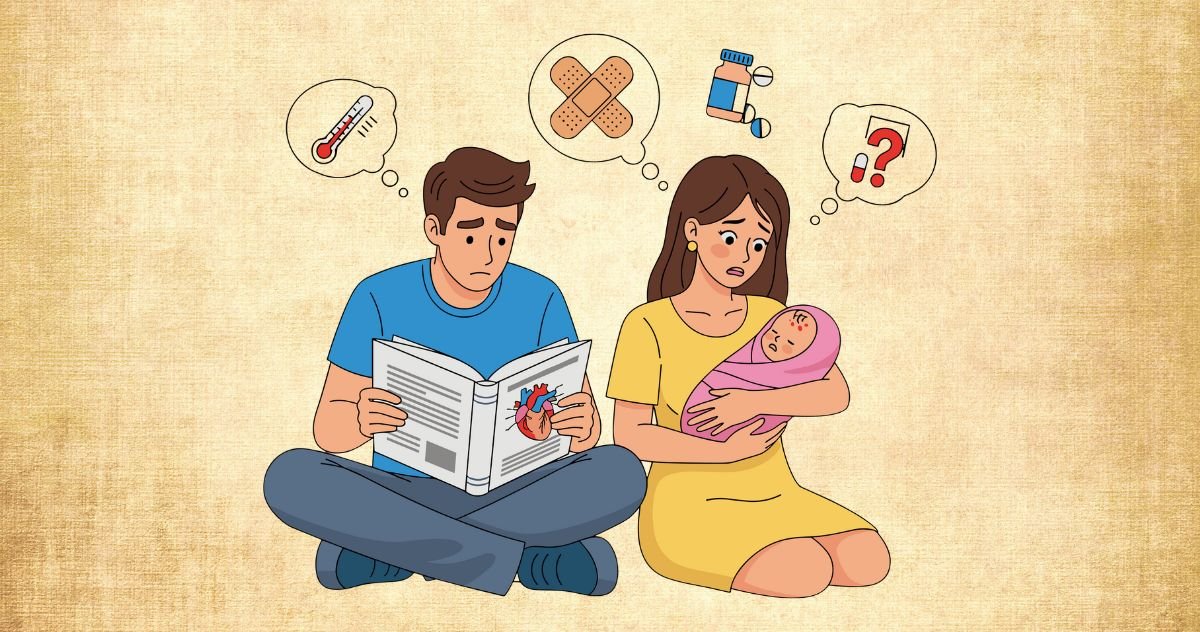
It can be stressful for parents to notice even minor changes in a newborn’s feeding, breathing, or behavior. One of the most common infant respiratory illnesses is Respiratory Syncytial Virus (RSV), and recognizing the signs of RSV in newborns early is extremely important. Although RSV often appears mild in older children and adults, newborns are far more vulnerable, and early symptoms should never be disregarded. Being aware of the warning signs allows parents to take prompt action and seek appropriate medical care at the right time.
What Is RSV and Why Is It Risky for Newborns?
A common respiratory virus that affects the lungs and respiratory tract is called RSV. By the time they are two years old, most kids have been exposed to RSV. Newborns’ airways and immune systems are still developing, particularly in those under six months of age. As a result, RSV can occasionally cause pneumonia, bronchiolitis, or severe breathing problems.
According to the Centers for Disease Control and Prevention, RSV is one of the most common reasons infants are hospitalized for respiratory illness. Premature babies, infants with heart or lung conditions, and very young newborns are at a higher risk of complications.
Early Signs of RSV in Newborns

RSV symptoms in newborns may start subtly and can look similar to a common cold. Parents should closely observe their baby for the following early signs:
- Runny or stuffy nose
- Mild cough
- Decreased appetite or difficulty feeding
- Slight fever, although some newborns may not develop a fever
- Increased fussiness or unusual sleepiness
These early symptoms may seem mild, but in newborns, RSV can worsen quickly.
Warning Signs That Require Immediate Medical Attention
Some symptoms indicate that RSV is affecting a newborn’s breathing and needs urgent evaluation by a healthcare professional. Parents should seek medical care immediately if they notice any of the following:
- Rapid or labored breathing
- Chest retractions, where the ribs appear to pull in with each breath
- Wheezing or unusual breathing sounds
- Bluish color around the lips or fingernails
- Pauses in breathing, known as apnea
- Extreme fatigue or difficulty waking the baby
- Very poor feeding or refusal to feed
The American Academy of Pediatrics emphasizes that breathing difficulty in newborns is always a medical emergency and should never be managed at home without professional guidance.
RSV vs a Common Cold in Newborns
RSV vs. Common Cold: A Quick Comparison
| Symptom | RSV in Newborns | Common Cold in Newborns |
|---|---|---|
| Breathing | Often becomes rapid, labored, or noisy (wheezing/grunting) | Usually remains normal |
| Feeding | Significantly decreased due to effort and congestion | May be slightly slower, but generally consistent |
| Cough | Can become persistent and severe | Mild, infrequent cough |
| Fever | Possible, but not always high | Less common or very low-grade |
| Progression | Symptoms often worsen around days 3-5 | Symptoms peak early and then gradually improve |
| Key Risk | Can escalate to serious lower respiratory illness | Typically stays as an upper respiratory illness |
Diagnosis, Treatment, and How You Can Help at Home
Diagnosis: Pediatricians diagnose RSV based on symptoms, a physical exam (often checking oxygen levels with a pulse oximeter), and sometimes a rapid nasal swab test.
Treatment: There is no specific antiviral drug for RSV. Treatment is supportive:
- At Home (Mild Cases): Focus on suctioning, humidified air, upright positioning, and ensuring fluid intake. Never give over-the-counter cold medicine to a newborn.
- In the Hospital (Moderate-Severe Cases): May include oxygen therapy, IV fluids for hydration, and in rare cases, mechanical ventilation to help them breathe.
When Should Parents Call a Pediatrician?
Parents should contact a pediatrician promptly if a newborn shows signs of RSV, especially if symptoms interfere with feeding or breathing. Emergency medical care is needed if the baby has trouble breathing, shows color changes around the lips, or becomes unusually unresponsive.
Healthcare professionals may evaluate breathing, oxygen levels, and overall hydration before deciding on the next steps.
How RSV Is Diagnosed and Treated
A healthcare professional diagnoses RSV based on symptoms, physical examination, and occasionally laboratory testing. RSV does not have a specific treatment. The primary goals of supportive care are to help the infant breathe comfortably and stay hydrated.
Under medical supervision, care may be given at home in mild cases. In more serious situations, hospitalization might be necessary for close observation, oxygen support, or fluids.
A newborn should not be given any medications unless a pediatrician has specifically prescribed them.
How to Reduce the Risk of RSV in Newborns
While RSV cannot always be prevented, certain steps can reduce the risk of infection:
- Wash hands thoroughly before touching the baby
- Limit contact with people who have cold or flu symptoms
- Avoid crowded places during RSV season
- Clean and disinfect frequently touched surfaces
- Follow pediatric guidance on feeding and general newborn care
The CDC provides updated prevention guidance during RSV season for infants and caregivers.
Final Thoughts for Parents
RSV is widespread, but even the earliest signs in infants need to be taken seriously. Parents should remain vigilant and follow their gut feelings, but they don’t have to panic. Early medical intervention can have a big impact when a newborn’s breathing or behavior seems out of the ordinary.
This article is for educational purposes only and does not replace professional medical advice. Always consult a qualified pediatrician if you are concerned about your newborn’s health.
Also read this helpful blog – How to Help a Gassy Newborn: Pediatrician-Approved Tips That Work
Disclaimer-
This content is intended for informational and educational purposes only and does not substitute professional medical advice, diagnosis, or treatment. Always seek the guidance of a qualified pediatrician or healthcare provider with any questions regarding your newborn’s health or medical condition. Never ignore professional medical advice or delay seeking care based on information found in this article.