
Overview
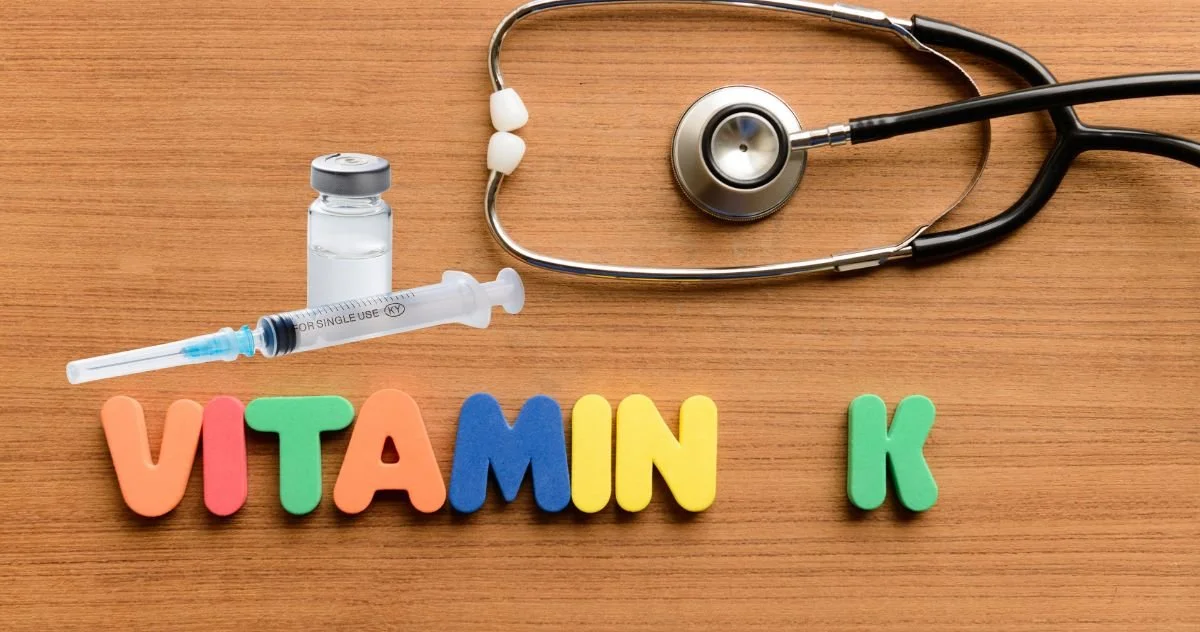
The experience of welcoming a newborn into the world is both thrilling and daunting. Among the many choices a new parent must make is whether to administer vitamin K injections for infants. Even though it might not seem like much, these injections are essential for safeguarding your newborn’s health. In this blog, we’ll look more closely at the benefits of vitamin K injections for infants, their significance, and what to expect from this important procedure.
Vitamin K: What is it?

One nutrient that is necessary for normal blood coagulation is vitamin K. Having adequate vitamin K in adults helps prevent excessive bleeding from minor wounds like cuts and bruises. However, newborns are more vulnerable to Vitamin K Deficiency Bleeding (VKDB), a rare but dangerous bleeding condition, because they naturally have very low levels of this vitamin.
What Makes Vitamin K Deficiency a Risk for Newborns?
There are two reasons why babies have a low vitamin K store at birth:
Minimal Transfer Through the Placenta
During pregnancy, very little vitamin K is transferred from the mother to the developing fetus.
Factor of Breast Milk
Vitamin K levels in breast milk are lower than what a newborn requires to accumulate adequate stores. (Vitamin K can be added to the formula, but many newborns begin by nursing.)
Your baby is at risk for VKDB because of these factors until their gut bacteria start to produce vitamin K, which typically takes a few weeks to develop.
The Function of Vitamin K Injections
Vitamin K Deficiency Bleeding can be prevented with a single injection of vitamin K at birth. Risky bleeding episodes, which can happen in the first few days or even weeks of life, are significantly less likely to happen to infants who get the vaccination.
Advantages of Injecting Vitamin K
Immediate Protection
The injection immediately brings the vitamin K level within a safe range.
Long-Term Safety
Your child will have better protection for weeks to come, even if they require minor surgery or run into other circumstances that could cause bleeding.
Peace of Mind
New parents already have a lot of new duties to manage. An additional layer of comfort comes from knowing that your child is protected from a potentially dangerous medical condition.
Is the Shot Secure?

In hospitals across the United States, vitamin K injections have been used for decades. Medical experts, including the American Academy of Pediatrics, strongly recommend the shot because it is safe and effective. Although adverse effects are uncommon, some infants may experience slight swelling or redness where the injection was made. There is no long-term risk, and this usually goes away on its own.
Common Myths and Facts
“Is the dose too high?”
For the shot to be both safe and effective, the amount of vitamin K is carefully measured. It is intended to swiftly and safely increase a baby’s stores.
“Could oral vitamin K be enough?”
Although it is available, oral vitamin K is not as effective at stopping newborn bleeding. Multiple doses are frequently required because they might not absorb it consistently. On the other hand, one injection effectively completes the task.
“Could it cause future problems?”
There is no evidence linking the typical vitamin K injection to developmental or autoimmune diseases. The health advantages far outweigh any unsubstantiated conjectures.
Useable Advice for Parents
Consult your pediatrician as soon as possible
Talking about vitamin K injections well in advance of your due date is a smart idea. You become more clear-headed and confident in your choice as a result.
Maintain Up-to-Date Medical Records for Your Infant
To ensure that future medical professionals know your child received the vaccination, make sure it is recorded.
Ask Questions
Don’t be afraid to ask your healthcare team any questions you may have about procedures that take place shortly after giving birth. It’s critical to feel completely informed.
In conclusion
Preventive measures can have a significant impact on your newborn’s health. A quick vitamin K injection at birth is a straightforward but effective method of providing immediate and long-lasting protection against potentially harmful bleeding. By realizing its significance, you’re protecting not just your infant’s current health but also providing a healthy foundation for future days. One of the greatest gifts you can give your child is peace of mind, so never forget to share any queries or worries with a reputable pediatrician.
Read our blog on “How to Treat Heat Rash on Baby and Newborn Naturally” to discover safe, gentle, and effective home remedies for your little one.
FAQ
What adverse effects can the vitamin K injection cause?
The vitamin K shot is generally well tolerated by newborns. When adverse effects do happen, they are usually mild and include injection site swelling, redness, or mild pain. Rarely, although they are rare, skin scarring or an allergic reaction has been documented. Rare cases of anaphylaxis, a severe allergic reaction, have mostly been reported in cases where vitamin K was administered intravenously as opposed to intramuscularly.
What occurs if a person is born without vitamin K?
Vitamin K Deficiency Bleeding (VKDB), a dangerous condition that can cause hemorrhaging in the brain or other parts of the body, is more likely to occur in newborns who are deficient in vitamin K. In the past, infants were more likely to have bleeding problems prior to the routine administration of the vitamin K shot, particularly if they had complications during birth or had undergone procedures like circumcision. It is highly advised to give vitamin K at birth because severe cases of VKDB can cause permanent brain damage or even death.
When should a newborn receive a vitamin K injection?
In the United States, pediatricians and national health organizations advise administering a vitamin K injection to a newborn as soon as possible after birth, typically within the first six hours. During those crucial early days when they are most susceptible to bleeding problems, this instant protection guarantees that babies maintain adequate levels of vitamin K. This injection is particularly crucial in certain situations, such as preterm delivery, birth trauma, or maternal medications that interfere with vitamin K.
Is vitamin K beneficial for infants?
Of course. For more than 60 years, vitamin K has been used in the United States to prevent severe bleeding issues in newborns. It is safe and effective. The one-time injection consistently raises a newborn’s vitamin K levels, providing long-lasting protection against VKDB, in contrast to oral vitamin K, which may need several doses and is not FDA-approved for infants. In the end, administering the vitamin K injection to infants is a straightforward but effective way to guarantee a healthy start in life.